- Apr 17
Dehydration: Signs, Symptoms, and How Much Water You Actually Need
- Eric Benjamin
- Sustainable Health Habits
- 0 comments
You’ve probably heard the advice, “Drink 8 glasses of water a day.” It’s simple. It’s easy to remember.
And it’s not really how hydration works.
Most people don’t think much about hydration until something feels off:
Low energy
Headaches
Brain fog
Feeling just a little off your game.
A lot of the time, it’s not anything complicated. It’s just that you’re a little dehydrated.

Even mild dehydration can affect energy, focus, and how you feel.
Quick Answer: How Do You Know If You’re Dehydrated?
Common signs include:
thirst
dark yellow urine
fatigue
headaches
dizziness
Most dehydration in everyday life is mild, but even mild dehydration can affect how you feel and function.
Why Hydration Matters
Water is involved in almost everything your body does.
It helps regulate:
blood pressure
body temperature
circulation
kidney function
cognitive performance
You don’t need to be severely dehydrated to notice the effects. Even small drops in hydration can affect energy, focus, and how you feel day to day.
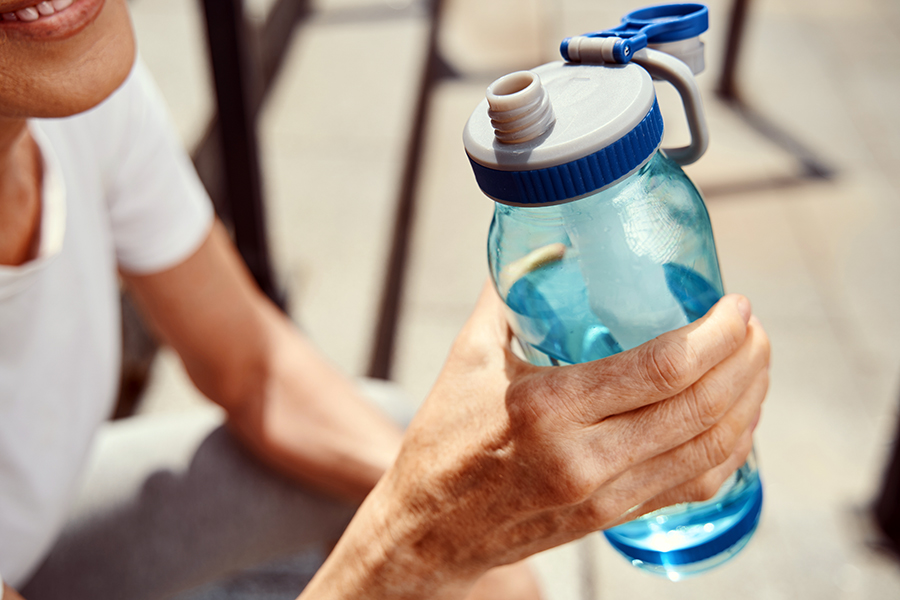
How much water we need depends on several factors
How Much Water Do You Actually Need?
There is no single number that works for everyone.
Hydration needs depend on:
body size
activity level
climate
diet
overall health
The body does a good job regulating hydration through thirst and kidney function, but daily habits still matter.
A Practical Starting Point
For many adults, a reasonable estimate is:
About half your body weight (in pounds) in ounces per day
Example:
180 lbs → ~90 ounces per day
This is a practical guideline, not a requirement. Some people need less. Many need more.
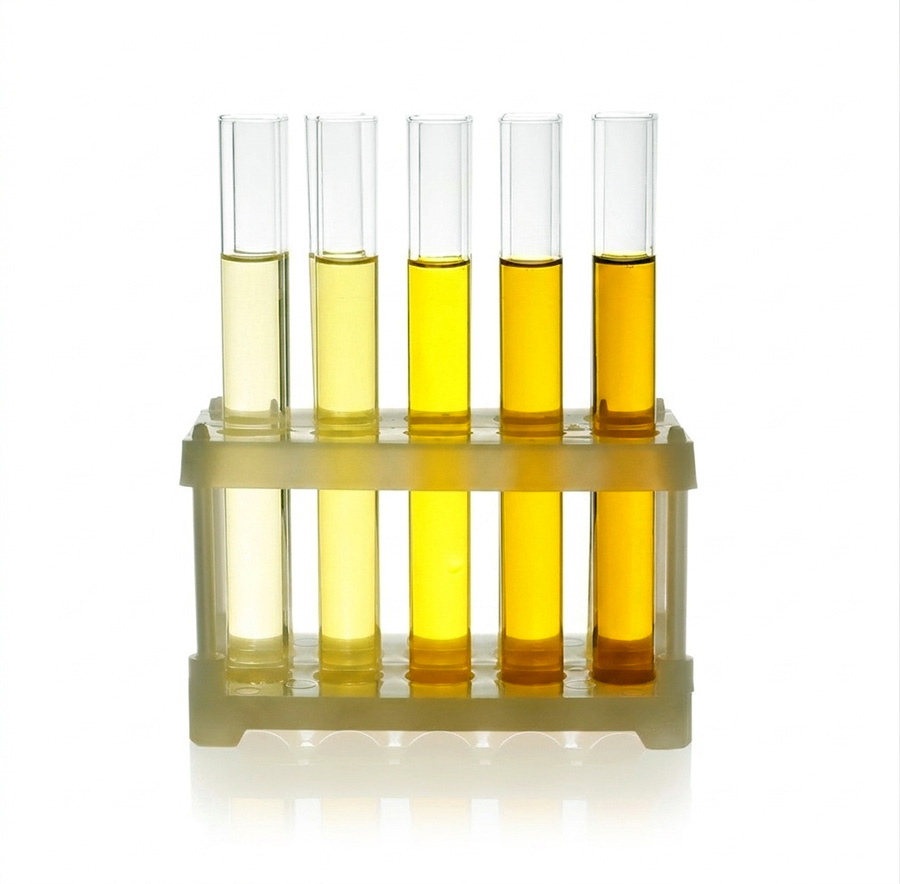
Urine color is one of the simplest ways to gauge hydration.
A Better Way to Gauge Hydration
Numbers can help. But your body gives feedback. One of the simplest tools:
Urine color
pale yellow → generally well hydrated
dark yellow → likely dehydrated
For most people, this is more useful than tracking ounces all day. Thirst is also helpful. But don’t ignore it for hours and then try to catch up all at once.
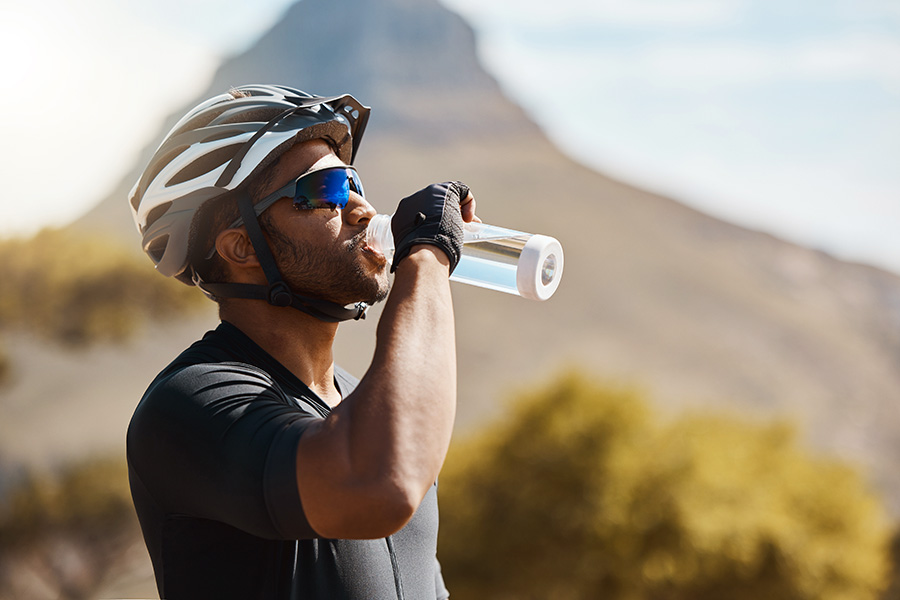
Activity and heat increase fluid needs.
When You Need More Fluids
Your needs go up when your body is losing more fluid.
This includes:
exercise
hot or humid weather
fever
vomiting or diarrhea
high-protein or high-fiber diets
If you’re sweating regularly, your needs are higher. Period.
What About Electrolytes?
For most people doing normal daily activity: Water is enough You also get electrolytes from food.
Electrolytes become more important when:
sweating heavily
doing prolonged endurance activity
losing fluids from illness
Most people don’t need sports drinks for everyday hydration. In many cases, they just add unnecessary sugar.

Endurance athletes may benefit from added electrolytes in their water
What About Electrolyte Powders?
Electrolyte powders have become very popular, and many people assume they are a healthier way to stay hydrated.
In reality, most people do not need them for daily hydration.
If you are eating a balanced diet, you are already getting electrolytes like sodium, potassium, and magnesium from food.
For routine daily activity, water is usually enough.
Electrolyte supplements can be helpful in specific situations:
prolonged or intense exercise
heavy sweating
hot environments
illness with fluid loss (vomiting or diarrhea)
Outside of those situations, they often provide little added benefit.
Some products also contain:
added sugars
high sodium levels
unnecessary ingredients
These can work against your overall health goals if used routinely.
A simple way to think about it:
Electrolytes are a tool, not a requirement.
Use them when your body is losing more than usual, not as a default daily habit.
Common Hydration Mistakes
1. Waiting until you feel depleted
Mild dehydration can affect energy and focus before you feel clearly thirsty.
2. Overcomplicating it
You don’t need powders, specialty waters, or expensive mixes for normal hydration.
3. Drinking large amounts at once
Spacing fluids throughout the day works better and feels better.
4. Ignoring medical context
If you have conditions like heart failure, advanced kidney disease, or certain endocrine disorders, your fluid needs may be different and should be individualized.
One Small Detail Most People Miss
Very clear urine all day isn’t necessarily better. In some cases, it can mean you’re over-hydrating. For most people, light yellow is the goal.
The Bottom Line
Hydration is simple. But it matters more than people realize. You don’t need a perfect number. You don’t need a special system.
You need consistency.
A few basic habits go a long way:
drink regularly throughout the day
pay attention to urine color
increase intake when activity or heat increases
Most people don’t need to overthink hydration. They just need to stop underdoing it.
Eric Benjamin, PA-C
Preventive & Metabolic Health
Eat well. Move often. Age boldly.