- May 22
Inflammation: What It Actually Means (And What Actually Helps)
- Eric Benjamin
- Sleep & Recovery, Chronic Disease Prevention
- 0 comments
“Inflammation” has become one of the most talked-about words in health. You’ll hear claims that it causes:
fatigue
weight gain
heart disease
aging
almost every chronic disease imaginable
And then usually someone tries to sell you:
a supplement
a detox
a cleanse
or a very expensive smoothie powder
So what’s actually true? Quite a bit, actually.
But inflammation is often presented online as something mysterious or toxic that needs to be “flushed out.” In reality, it’s much more practical and biologically grounded than that.
Quick Answer: What Is Inflammation?
Inflammation is the body’s natural immune response to injury, infection, or stress. Short-term inflammation is protective and necessary for healing. Chronic low-grade inflammation, however, is associated with obesity, cardiovascular disease, insulin resistance, and metabolic dysfunction.
Acute vs. Chronic Inflammation
Not all inflammation is harmful. In fact, you need it to survive.
If you:
cut your finger
get sick
lift weights
recover from an injury
inflammation is part of the repair process.
This is called acute inflammation. It is temporary, targeted, and helpful. The concern is chronic low-grade inflammation, where the immune system remains mildly activated over long periods of time.
That is where problems begin to develop.
Inflammation Is More Complex Than Most People Think
Inflammation is not one single pathway. It’s a complex network of immune responses that vary depending on:
the trigger
the tissue involved
the duration of activation
At a biological level, chronic inflammation often involves ongoing release of immune signaling molecules called cytokines.
These signals can affect:
blood vessels
insulin sensitivity
endothelial function
metabolic regulation
Over time, this contributes to:
atherosclerosis
insulin resistance
cardiometabolic disease
Markers like C-reactive protein (CRP) are sometimes used clinically to help assess systemic inflammation. Research in this area is ongoing, and we are still refining exactly how inflammation contributes to chronic disease and how best to measure it.
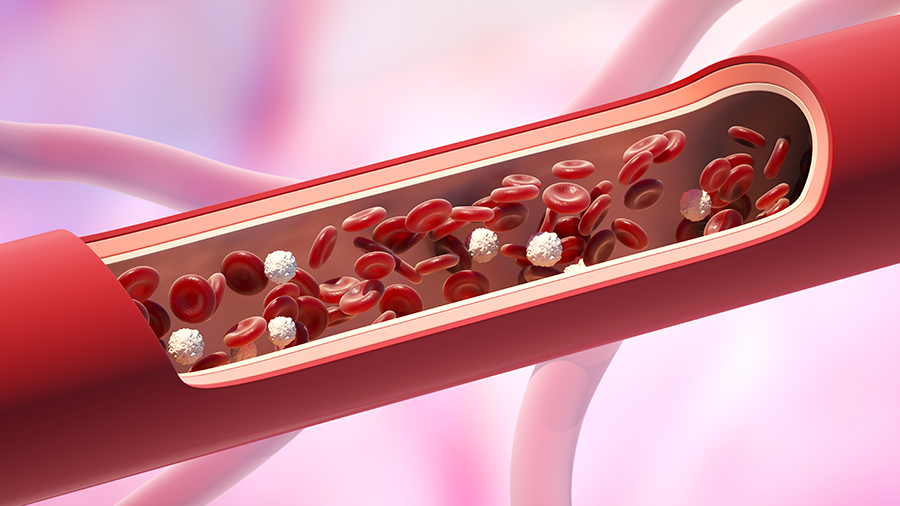
Chronic inflammation contributes to atherosclerosis, the process that underlies most heart attacks and strokes.
Chronic Inflammation and Cardiovascular Disease
One of the most important things to understand is this:
Chronic low-grade inflammation plays a central role in atherosclerosis, the process that underlies heart attacks and strokes.
Inflammation affects:
blood vessel walls
plaque stability
endothelial function
This is one reason metabolic health matters so much beyond body weight alone.
What Drives Chronic Inflammation?
There is usually not one single cause. More commonly, it is the accumulation of multiple stressors over time.
Some of the biggest contributors include:
excess visceral fat
poor sleep
physical inactivity
smoking
chronic psychological stress
diets high in ultra-processed foods
These patterns are consistently associated with higher levels of inflammatory signaling and worse cardiometabolic health.
Visceral Fat Is Metabolically Active
This is an important concept many people never hear. Excess abdominal fat is not just stored energy. Visceral fat actively releases inflammatory chemicals and contributes to:
insulin resistance
vascular dysfunction
metabolic disease
This is one reason waist circumference is such an important marker of long-term health risk.
Poor Sleep Increases Inflammatory Signaling
Sleep and inflammation are closely connected. Poor sleep quality is associated with:
higher inflammatory markers
impaired insulin sensitivity
increased cortisol levels
This affects:
appetite regulation
recovery
energy levels
long-term cardiovascular risk
Even moderate sleep deprivation over time can negatively affect metabolic health.

Overall dietary patterns have a much greater impact on health than any single food.
Ultra-Processed Foods and Inflammation
This topic often gets oversimplified online. No single food suddenly “causes inflammation.” But overall dietary patterns matter.
Diets heavily centered around:
ultra-processed foods
refined carbohydrates
sugary beverages
are consistently associated with:
higher markers of systemic inflammation
poorer cardiometabolic outcomes
increased insulin resistance
On the other hand, dietary patterns rich in:
vegetables
fruits
legumes
fiber-rich whole foods
healthy fats
are consistently associated with better long-term metabolic and cardiovascular health.
What About “Anti-Inflammatory” Supplements?
Some supplements may have modest benefits in specific situations. But this area is heavily over-marketed. Most people trying to “reduce inflammation” would benefit far more from:
improving sleep
exercising regularly
reducing visceral fat
improving overall diet quality
than from adding another supplement. There is no detox tea or magic powder that overrides poor lifestyle habits.

Regular movement is one of the most effective ways to improve metabolic health over time.
Exercise Actually Reduces Chronic Inflammation
This confuses people sometimes. Exercise temporarily increases inflammatory signaling during recovery. But over time, regular physical activity is associated with:
lower chronic inflammation
improved insulin sensitivity
better cardiovascular health
This is especially true for:
walking
resistance training
consistent moderate activity
Stress Matters More Than People Realize
Chronic psychological stress affects:
cortisol regulation
sleep quality
eating behaviors
inflammatory signaling
Mental and physical health are deeply connected.
What Actually Helps Lower Chronic Inflammation?
Most evidence-based strategies are not complicated. They are just not flashy.
Focus on:
consistent sleep
regular movement
resistance training
whole-food nutrition
reducing excess visceral fat
not smoking
limiting excess alcohol
These habits consistently outperform “hacks.”
Inflammation Is Often a Signal, Not the Root Cause
This is important. Inflammation is frequently a reflection of:
metabolic dysfunction
excess body fat
poor recovery
chronic stress
underlying disease processes
The goal is not simply to “fight inflammation.” It is to improve the underlying environment driving it.
The Bottom Line
Inflammation is real. But it is not mystical. Acute inflammation helps the body heal. Chronic low-grade inflammation, however, is strongly associated with many modern chronic diseases, particularly in the setting of poor metabolic health.
The encouraging part is, the same habits that improve:
cardiovascular health
metabolic health
sleep
energy
body composition
also tend to improve inflammatory signaling over time.
Frequently Asked Questions
What causes chronic inflammation?
Common contributors include excess visceral fat, poor sleep, smoking, chronic stress, inactivity, and diets high in ultra-processed foods.
Can inflammation increase cardiovascular risk?
Yes. Chronic inflammation contributes to atherosclerosis, the process underlying heart attacks and strokes.
What is the best natural way to reduce inflammation?
Regular exercise, better sleep, whole-food nutrition, and improving metabolic health are among the most effective evidence-based strategies.
Want to Go Deeper?
Many of the same patterns that drive chronic inflammation also contribute to:
insulin resistance
fatigue
weight gain
difficulty losing fat
If that resonates with you, I created a short guide based on the most common issues I see in practice:
“7 Reasons You Are Not Losing Fat.”
Eric Benjamin, PA-C
Preventive & Metabolic Health
Eat well. Move often. Age boldly.