- Mar 16
Why Protein Is the Most Important Nutrient for Weight Loss
- Eric Benjamin
- Weight Loss and Metabolic Health, Nutrition Fundamentals
- 0 comments
Many people trying to lose weight ask the same question: "How much protein do I need each day for weight loss?" The answer matters because protein plays a unique role in metabolism, appetite control, and preserving muscle during fat loss. In fact, protein is the most important macronutrient for many people trying to lose weight.
Getting enough protein can make weight loss easier, help preserve muscle, and support long-term metabolic health.
Quick Answer: How Much Protein Do You Need for Weight Loss?
For many adults trying to lose weight, a helpful target is:
20–30 grams of protein per meal
Across the day, this usually equals about 25–35% of total daily calories from protein, or roughly:
• 100–140 grams per day on a 1,600 calorie diet
• 125–175 grams per day on a 2,000 calorie dietGetting enough protein helps control hunger, protect muscle, and support metabolism during fat loss.
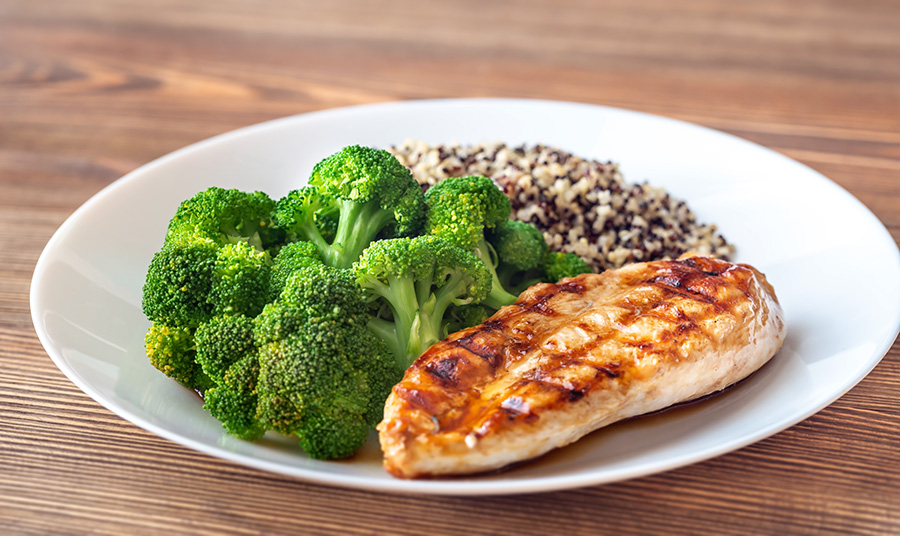
Why Protein Helps Control Hunger and Weight Loss
One of the biggest challenges during weight loss is appetite. Protein is the most satiating macronutrient. In other words, it helps you feel full longer. Meals that include adequate protein tend to:
reduce hunger
decrease cravings
make it easier to eat fewer calories naturally
This is one reason high-protein diets consistently perform well in clinical studies of weight loss. When people feel full, they are less likely to snack or overeat later in the day.

Protein Protects Muscle During Weight Loss
When people lose weight, they rarely lose only fat. Without enough protein and resistance training, the body can also break down lean muscle tissue. This matters because muscle is metabolically active tissue. Losing muscle can slow metabolism and make it easier to regain weight later.
Adequate protein intake helps preserve muscle mass during weight loss, especially when combined with strength training.
Protein becomes even more important as we age because adults naturally lose muscle mass over time. Eating enough protein and strength training helps protect muscle and maintain metabolic health.
Protecting muscle is one of the most important factors for maintaining metabolic health as we age.
Protein Slightly Boosts Metabolism
Protein also has a higher thermic effect of food than other nutrients. This means the body uses more energy to digest and process protein compared with carbohydrates or fats. While this effect is modest, it still contributes to overall energy expenditure. Combined with better appetite control and muscle preservation, protein supports a metabolic environment that favors fat loss.
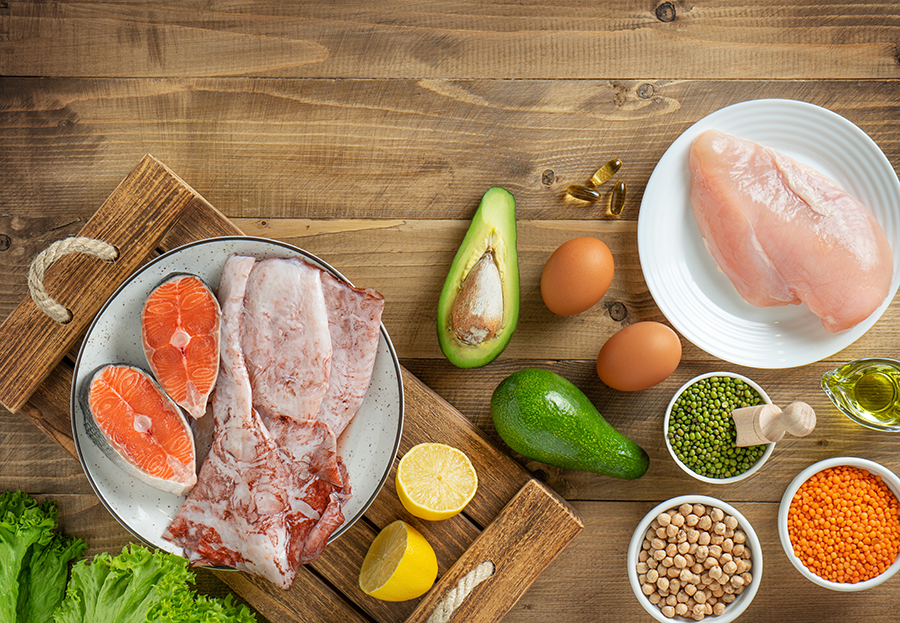
Why Spreading Protein Throughout the Day Matters
As mentioned above, many adults benefit from about 20–30 grams of protein per meal. Spreading protein across meals is important because it helps control appetite and supports muscle maintenance throughout the day.
For many adults trying to lose weight or improve metabolic health, a helpful target is roughly:
20–30 grams of protein per meal
Spread across the day, this often adds up to about 25–35% of total daily calories coming from protein, which helps support satiety, preserve muscle, and maintain metabolism during weight loss.
For example:
A 1,600 calorie diet → about 100–140 grams of protein per day
A 2,000 calorie diet → about 125–175 grams per day
Focusing on protein at each meal is often easier than trying to calculate exact numbers throughout the day. Common protein sources include:
eggs
fish
chicken
Greek yogurt
beans and lentils
tofu
lean meats
Distributing protein across meals is often more effective than consuming most of it in one sitting.
The Bigger Picture
Protein is not a magic solution, and weight loss still requires an overall healthy eating pattern and sustainable lifestyle habits. But when people increase protein intake while focusing on whole foods, they often find that:
hunger becomes easier to manage
muscle mass is preserved
weight loss becomes more sustainable
These changes support long-term metabolic health and make weight loss more sustainable over time. If you want to understand other common factors that slow fat loss, you may also find my article on why weight loss gets harder after 30 helpful.
Want to Go Deeper?
Many people struggling with weight are actually doing several things right but unknowingly making a few small mistakes that slow fat loss. I created a short guide explaining the most common issues I see in clinical practice.
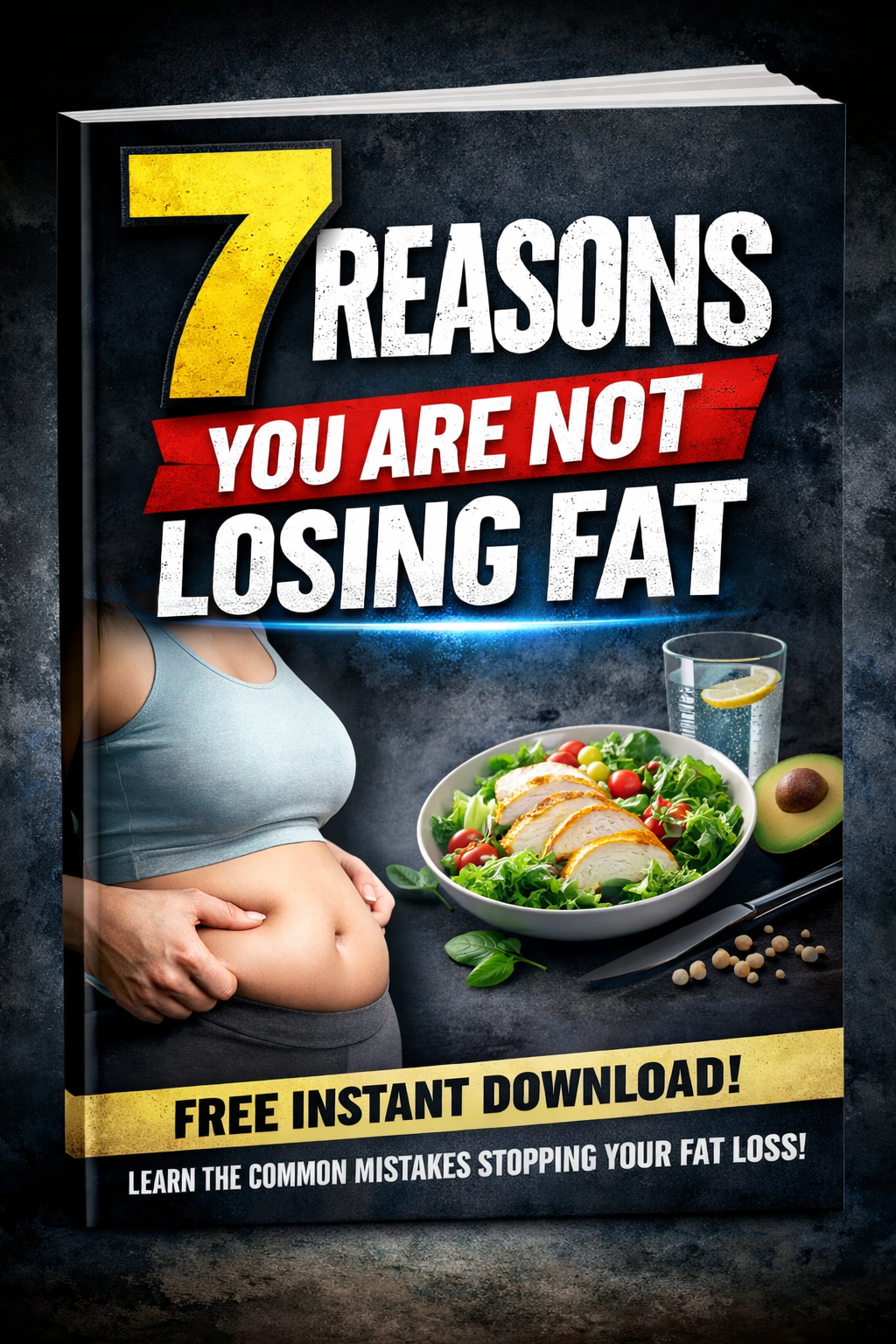
“7 Reasons You Are Not Losing Fat.”
Eric Benjamin, PA-C
Preventive & Metabolic Health
Eat well. Move often. Age boldly.