- Apr 1
GLP-1 Medications: Miracle or Tool? What Patients Should Know
- Eric Benjamin
- Weight Loss and Metabolic Health
- 0 comments
Over the past few years, medications like Ozempic, Wegovy, and Zepbound have changed the conversation around weight loss. You’ve probably heard:
“I lost 30 pounds without trying.”
“My appetite disappeared.”
“This is a miracle drug.”
So it’s a fair question: Are these medications a breakthrough… or just hype?
They are not a miracle. They are not a gimmick. They are a powerful tool, when used correctly.
What Are GLP-1 Medications?
GLP-1 receptor agonists mimic a natural hormone involved in appetite and blood sugar regulation. They work by:
reducing appetite
slowing stomach emptying
increasing fullness
improving insulin response
Newer medications, such as tirzepatide (Zepbound), also act on additional incretin pathways, which may further enhance weight loss.

These medications reduce hunger signals, reducing cravings and making it easier to eat less.
Why They Feel So Different
Many patients say, “This is the first time I’m not constantly thinking about food.” That’s not just perception. These medications directly affect brain pathways involved in hunger and satiety. They don’t override physics. They reduce the biological pressure to overeat. They affect the same hunger pathways discussed in my article on why dieting makes you hungry.
What They Do Well
These medications are effective. Most clinical trials show average weight loss of roughly:
10–20% of total body weight, depending on the medication and dose.
They can also:
improve blood sugar control
reduce insulin resistance
and, in certain medications, reduce major cardiovascular events in patients with type 2 diabetes and high cardiovascular risk
For the right patient, this can be a meaningful intervention.

Maintaining muscle is essential for long-term metabolic health and weight maintenance.
Where Expectations Become Unrealistic
This is where expectations can drift. These medications make weight loss easier, but they do not replace physiology. Common issues I see:
loss of muscle mass along with fat
inadequate protein intake
little or no resistance training
relying on the medication alone
Some studies suggest that 25–40% of weight lost may come from lean mass if protein intake and resistance training are not prioritized. This matters for long-term metabolic health and weight maintenance.
When muscle is lost during weight loss, the body’s energy needs decrease. If weight is regained later, which commonly occurs when stopping the medication without a solid nutrition and exercise plan in place, it is often regained more as fat than muscle, especially if strength training is not part of the plan.
Over time, this can lead to a higher body fat percentage than before, even if body weight returns to a similar number. This is why yo-yo weight loss is detrimental to your long term metabolism.
The Plateau Still Happens
Weight loss with these medications typically:
slows over time
plateaus after several months
As body weight decreases, energy needs decrease as well. They modify appetite biology — they don’t suspend human physiology.
What Happens When You Stop?
This is one of the most important points. If underlying habits are not addressed:
appetite often returns
weight regain is common
These medications are generally intended for long-term use, similar to treatments for blood pressure or diabetes. This reflects the reality that obesity is a chronic condition with biological drivers.
For long-term success, a structured plan is essential. This should include resistance training to preserve muscle and a balanced nutrition approach, with adequate protein intake, often around 25–30% of total calories. These habits help support metabolism, maintain lean mass, and improve the likelihood of sustaining weight loss.
Who May Benefit
These medications may be appropriate for individuals with:
BMI ≥30
BMI ≥27 with metabolic conditions (such as diabetes or hypertension)
difficulty achieving weight loss with lifestyle changes alone
They can be especially helpful when biological drivers of weight gain are strong.
Risks and Limitations

Treatment decisions should be individualized based on health status and goals.
These medications are generally well tolerated, but side effects can occur.
Common:
nausea
vomiting
constipation
diarrhea
Less common but more serious:
gallbladder disease
pancreatitis
Cost and insurance coverage also remain major barriers for many patients. Use should always be individualized.
How to Use Them Effectively
If these medications are used, the goal should not just be weight loss. The goal should be sustainable metabolic health. That includes:
adequate protein intake
resistance training to preserve muscle
consistent meal structure
sleep and activity optimization
This is what determines whether results last.
In Simple Terms
They reduce appetite
They can produce meaningful weight loss
Muscle preservation still matters
Stopping them without lifestyle change often leads to regain
They work best as part of a structured plan
The Bottom Line
GLP-1 medications are not a shortcut. They are a tool that helps address one of the hardest parts of weight loss: hunger. When used thoughtfully, they can be highly effective. But long-term success still depends on:
nutrition
muscle preservation
consistent habits
The best results come from combining both. When used without a structured nutrition and exercise plan, weight loss may include a significant loss of muscle, which can make long-term weight maintenance more challenging and is negative to your overall health.
Frequently Asked Questions
How much weight can you lose on GLP-1 medications?
Most people lose about 10–20% of their body weight, depending on the medication and dose.
Do you regain weight after stopping GLP-1 medications?
Weight regain is common if underlying nutrition and exercise habits are not maintained.
Do GLP-1 medications cause muscle loss?
They can, especially if protein intake and resistance training are not prioritized.
Are GLP-1 medications safe?
They are generally safe for most patients when prescribed appropriately, but side effects and risks should be discussed with a healthcare provider.
Do you have to take GLP-1 medications forever?
They are often used long-term, similar to other chronic disease treatments, depending on individual goals and response.
Want to Go Deeper?
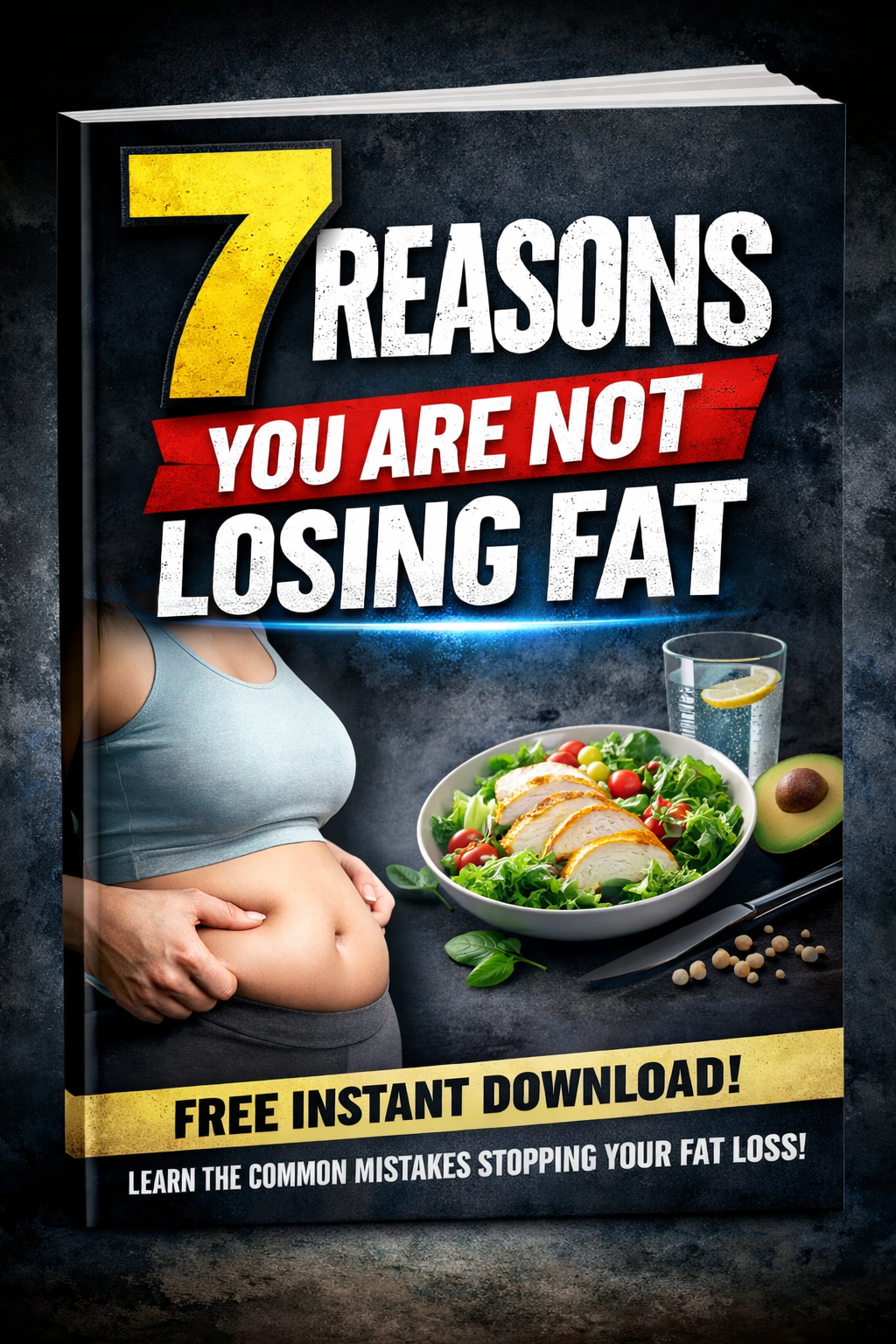
Many people struggle with weight loss not because they are doing nothing, but because a few key factors are being missed.
I put together a short guide based on what I see most often in clinical practice:
“7 Reasons You Are Not Losing Fat.”
Eric Benjamin, PA-C
Preventive & Metabolic Health
Eat well. Move often. Age boldly.