- Mar 30
Why You Feel Hungrier When You Diet (And How to Manage It)
- Eric Benjamin
- Weight Loss and Metabolic Health, Nutrition Fundamentals
- 0 comments
At some point during weight loss, many people experience the same frustration: You’re eating less, trying to be disciplined, but you feel hungrier than ever. It can feel like your body is working against you. In many ways, it is. Hunger during dieting is not a lack of willpower. It is a biological response.
Why Dieting Increases Hunger
When you reduce calories, your body does not interpret this as “weight loss.” It interprets it as a potential energy shortage. To protect you, your body activates several systems that increase hunger and conserve energy.

Dieting increases hunger signals and reduces fullness signals, making appetite harder to control.
1. Hunger Hormones Change
Two key hormones regulate appetite:
Ghrelin increases hunger
Leptin signals fullness
During weight loss:
ghrelin levels rise
leptin levels decrease
This combination makes you feel hungrier and less satisfied after eating.
2. Your Body Defends Its Weight
The body tends to biologically defend its current weight through neurohormonal mechanisms, sometimes described as a “set point” or defended range.
When weight drops, the body responds by:
increasing appetite
reducing energy expenditure
making it harder to maintain a calorie deficit
In addition to increasing hunger, the body may also reduce resting energy expenditure slightly, making continued weight loss more difficult over time. This is one reason weight loss can slow over time (see my article on why weight loss plateaus happen).
3. Food Feels More Appealing
Calorie restriction can increase attention to food cues and the perceived reward value of highly palatable foods.
cravings may increase
food becomes harder to ignore
highly processed foods become more appealing
This is a normal neurologic response.

Poor sleep and high stress can increase hunger and cravings, making weight loss more difficult.
4. Sleep and Stress Make It Worse
Poor sleep and chronic stress can amplify hunger signals.
sleep deprivation increases ghrelin and may reduce leptin
reduces insulin sensitivity
increases cravings for high-calorie foods
Even small changes in sleep can significantly affect appetite regulation.
Why This Matters
Understanding this changes how you approach weight loss. If hunger were simply about discipline, most people would succeed. But because hunger is biologically regulated, your strategy has to work with your physiology.
A Better Way to Think About It
Understanding that hunger is biological changes the goal. Instead of trying to eliminate hunger, the goal becomes managing it.
How to Manage Hunger During Weight Loss
The goal is not to eliminate hunger completely. It is to reduce excessive hunger and improve satiety.
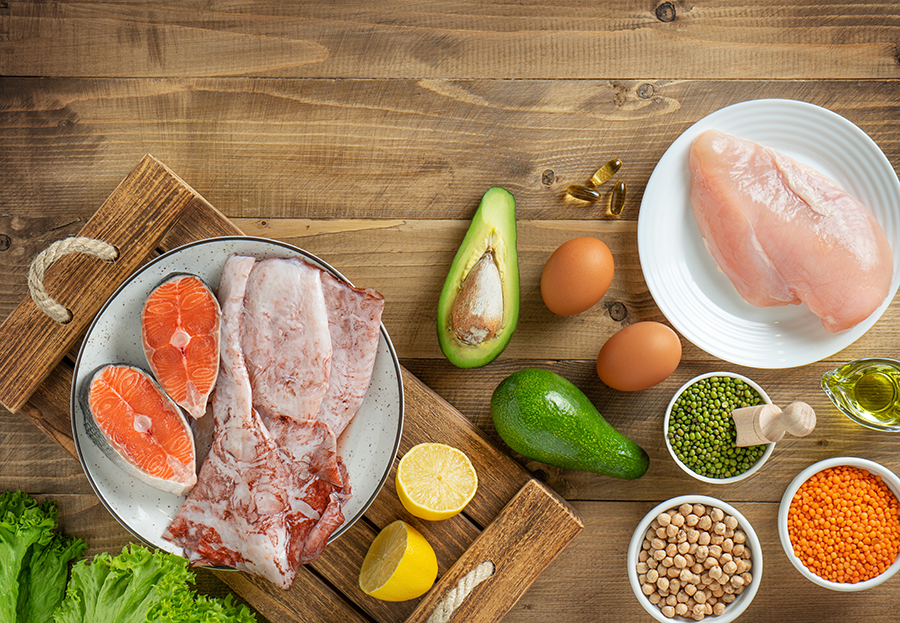
Protein-rich meals help reduce hunger and support metabolism during weight loss.
1. Prioritize Protein
Protein is the most satiating macronutrient. Aim for approximately:
0.5–0.7 grams of protein per pound of body weight per day (about 1.2–1.6 g/kg)
For many people, this works out to:
25–40 grams per meal
Protein helps:
reduce hunger
preserve muscle
support metabolism
2. Increase Fiber and Food Volume
Foods high in fiber and water help you feel full with fewer calories. Focus on:
vegetables
fruits
beans and legumes
whole grains
These foods slow digestion and improve satiety.
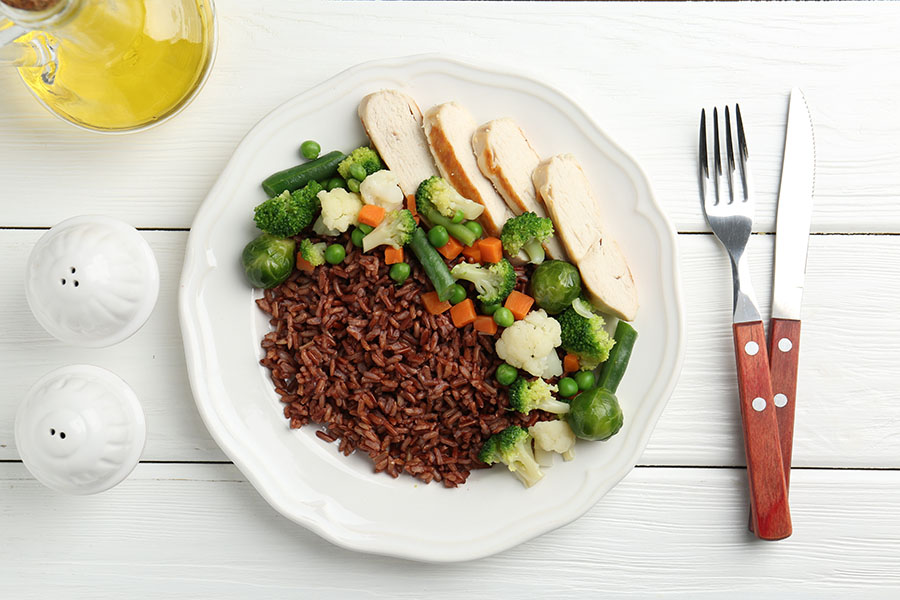
Balanced meals with protein, fiber, and healthy fats help keep hunger stable.
3. Build Balanced Meals
Carbohydrate-only snacks are often low in protein and fiber, which can make them less filling. Instead:
pair carbohydrates with protein or fat
focus on whole, minimally processed foods
This helps improve satiety and reduce overeating.
4. Be Consistent With Meals
Irregular eating patterns can increase hunger and lead to overeating later. For many people, structured meals work best:
3 meals per day
optional planned snacks if needed
5. Prioritize Sleep
Aim for 7–8 hours of sleep per night. Sleep affects more than energy levels. It directly influences:
hunger hormones
insulin sensitivity
cravings
6. Be Realistic About Hunger
Some level of hunger is expected during weight loss. The goal is not perfection. The goal is control and consistency.
A Brief Note on Medications
Some medications, including GLP-1 receptor agonists, can help reduce appetite. They work by changing the underlying physiology that makes dieting difficult, including hunger signaling and satiety. However, long-term success still depends on:
adequate protein intake
resistance training
consistent nutrition and lifestyle habits
The Bottom Line
Hunger during weight loss is a biological response, not a personal failure. When you understand how your body responds to a calorie deficit, you can build a plan that works with your physiology instead of against it.
Frequently Asked Questions
Why do I feel hungrier when dieting?
Dieting increases hunger hormones and reduces satiety signals, making you feel less full.
Is it normal to feel hungry when losing weight?
Yes. Some hunger is expected and reflects normal biological responses to a calorie deficit.
How can I reduce hunger while dieting?
Focus on protein intake, fiber-rich foods, consistent meals, and adequate sleep.
Does protein help with hunger?
Yes. Protein is the most satiating macronutrient and helps reduce overall appetite.
Want to Go Deeper?
If you feel like you are doing everything right but still struggling with hunger or slow progress, there may be a few key factors getting in your way.
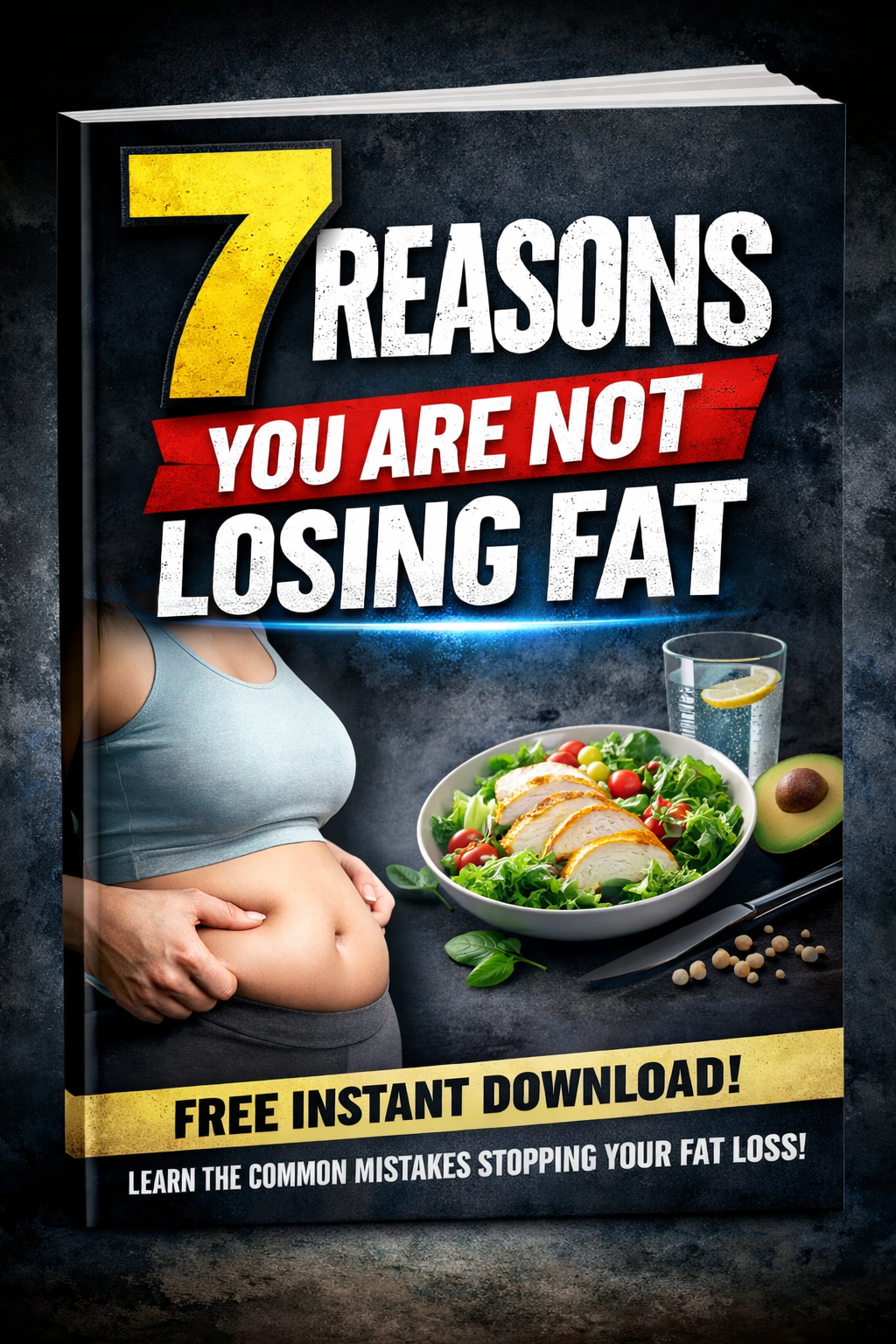
I created a short guide explaining the most common ones I see in clinical practice.
“7 Reasons You Are Not Losing Fat.”
Eric Benjamin, PA-C
Preventive & Metabolic Health
Eat well. Move often. Age boldly.