- Mar 27
High Blood Pressure (Hypertension): Early Signs, Causes, and How to Prevent It
- Eric Benjamin
- Sustainable Health Habits, Chronic Disease Prevention
- 0 comments
High blood pressure, or hypertension, is one of the most common chronic conditions in adults. High blood pressure is one of the leading contributors to cardiovascular disease worldwide.
What makes it dangerous is that it often develops slowly and without symptoms. Many people feel completely normal while blood pressure is rising. By the time it is diagnosed, changes in the blood vessels may have already been developing for years. The good news is that many of these changes are preventable.
What Is High Blood Pressure?
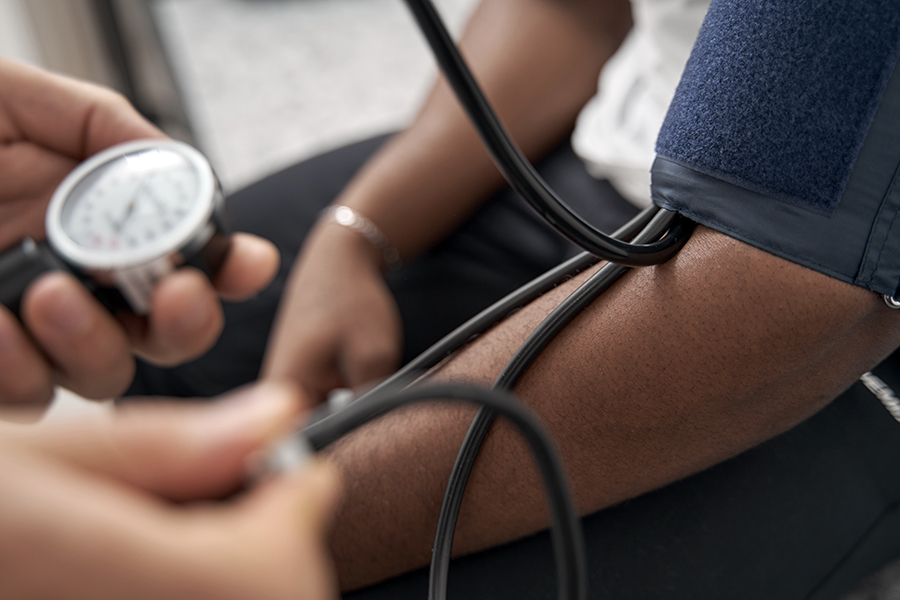
Quick Answer: High blood pressure (hypertension) is defined as 130/80 mmHg or higher. It often develops without symptoms but increases the risk of heart disease, stroke, and kidney disease over time.
Many cases can be improved with lifestyle changes such as weight loss, physical activity, improved diet, and better sleep.
Blood pressure is the force of blood pushing against the walls of your arteries.
It is measured using two numbers:
Systolic pressure (top number)
Diastolic pressure (bottom number)
Blood pressure is generally categorized as:
Normal: <120/80
Elevated: 120–129 and <80
Stage 1 hypertension: 130–139 or 80–89
Stage 2 hypertension: ≥140 or ≥90
For most adults, a target blood pressure below 130/80 is recommended, though goals may vary based on age and medical history. Even mildly elevated levels over time can increase the risk of heart disease and stroke.
How Blood Pressure Rises Over Time
High blood pressure does not happen all at once. It develops gradually through changes in the body:
arteries gradually stiffen and thicken, increasing resistance to blood flow
the body retains more sodium and fluid
the nervous system becomes more activated
insulin resistance contributes to vascular dysfunction
Factors such as visceral (belly) fat, sympathetic activation, and hormonal systems like the renin-angiotensin system also play a role.
Early Signs of High Blood Pressure (Often Missed)
Most people with high blood pressure have no symptoms. However, early patterns may include:
gradually increasing readings over time
weight gain, especially around the abdomen
elevated resting heart rate
poor sleep or sleep apnea
increasing blood sugar or insulin resistance
Nearly 1 in 3 adults in the United States has hypertension or elevated blood pressure, and many do not know it, which is why routine screening matters.
Home Blood Pressure Monitoring Matters
Many people have higher readings in medical settings, known as white coat hypertension. I always tell my patients to measure their blood pressure at home and record it in a blood pressure log to get a good average blood pressure. This is useful to bring into your in-person provider meetings.
Checking blood pressure at home:
gives a more accurate picture
helps track trends over time
improves treatment decisions
increases patient awareness
For accurate readings:
sit quietly for 5 minutes before measuring
keep your back supported and feet flat on the floor
rest your arm at heart level
avoid caffeine or exercise for 30 minutes beforehand
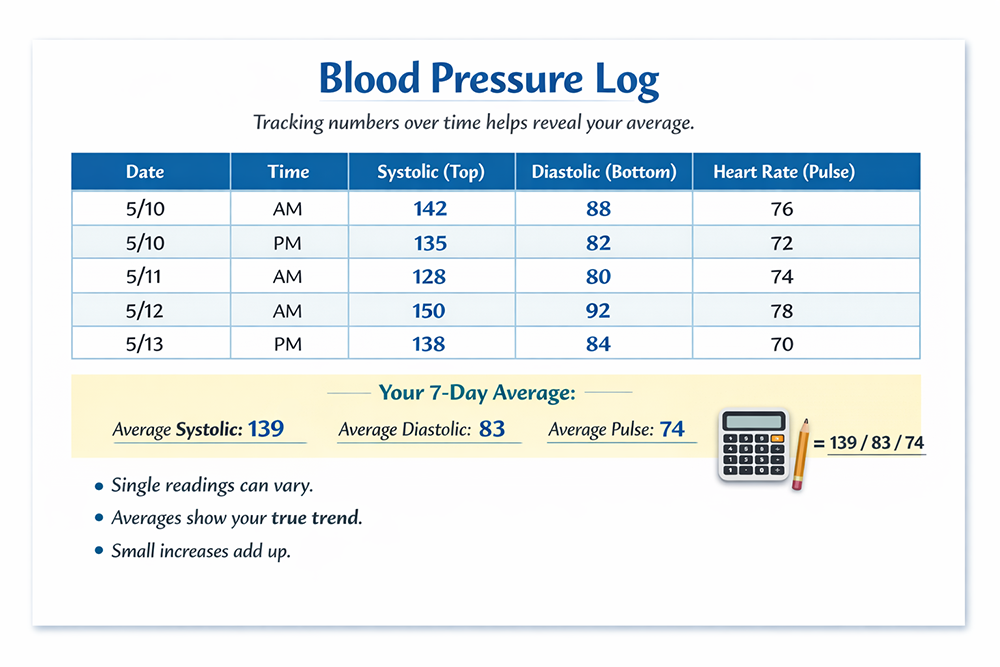
Keeping a blood pressure log helps track trends over time and provides more accurate information for medical decision-making.
Why High Blood Pressure Matters
Over time, elevated blood pressure increases the risk of:
heart attack
stroke
kidney disease
heart failure
Even before symptoms appear, damage can occur within the blood vessels.
Blood pressure is one part of overall cardiovascular risk. Cholesterol, blood sugar, smoking, fitness level, and abdominal fat all contribute to long-term risk.
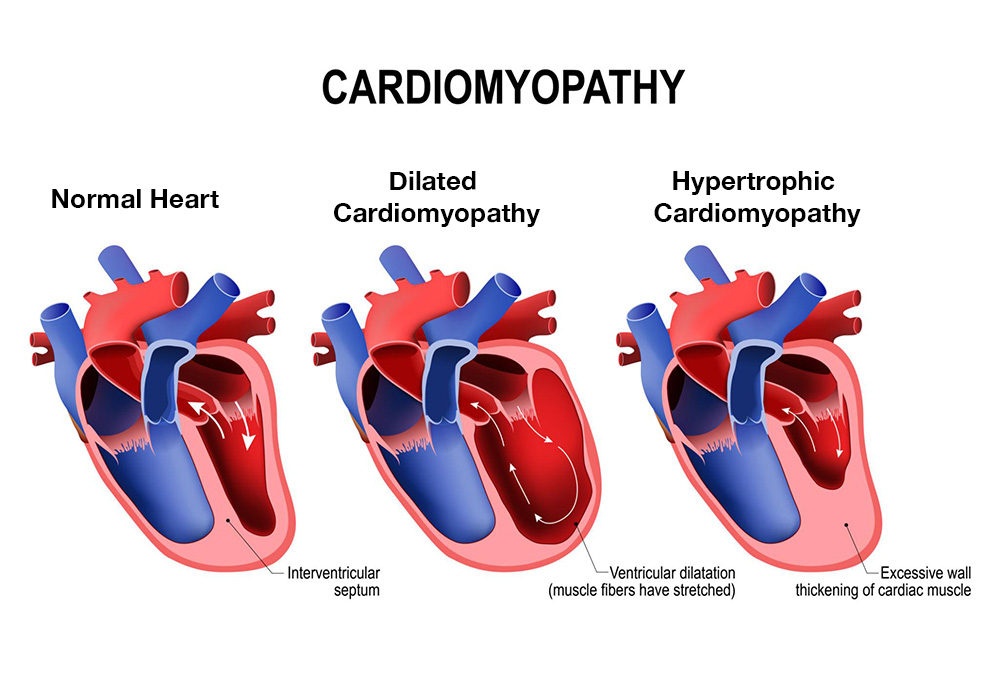
Chronic high blood pressure can lead to structural changes in the heart, including thickening or weakening of the heart muscle over time.
Practical Steps to Prevent or Improve Blood Pressure
The most effective approach is consistent lifestyle habits.

Regular aerobic activity, such as walking or jogging, helps lower blood pressure and improve vascular health.
1. Maintain a Healthy Weight
Even modest weight loss can significantly reduce blood pressure. Excess visceral fat is strongly linked to hypertension.
2. Move Regularly
Aim for:
20–30 minutes of walking most days of the week
resistance training 2–3 times per week
Regular activity improves vascular function and lowers blood pressure.
3. Improve Diet Quality
Focus on:
fruits and vegetables
whole grains
lean protein
fiber-rich foods
Most sodium intake comes from packaged and restaurant foods, not the salt shaker.

A diet rich in whole foods, including fruits, vegetables, and lean proteins, supports healthy blood pressure.
4. Prioritize Sleep
Poor sleep and sleep apnea are strongly linked to hypertension. Aim for 7–8 hours of sleep per night.
5. Limit Alcohol
Excess alcohol intake can raise blood pressure over time. Moderation is key.
These habits also support metabolic health (see my article on why weight loss plateaus happen).
Can High Blood Pressure Be Reversed?
In early stages, especially when driven by weight gain, poor sleep, insulin resistance, or high sodium intake, blood pressure often improves significantly with lifestyle changes.
Long-standing hypertension, particularly when structural changes in the blood vessels have developed, may require medication. Even in these cases, lifestyle habits remain critical for reducing overall cardiovascular risk.
When Lifestyle Changes Are Not Enough
In some individuals, lifestyle changes alone may not fully control blood pressure.
When lifestyle changes are not enough, medications can effectively lower blood pressure and reduce long-term cardiovascular risk.
When medications are needed, they typically work in one of a few ways:
relaxing blood vessels to reduce resistance
removing excess sodium and fluid through the kidneys
slowing heart rate or reducing cardiac workload
blocking hormonal signals that raise blood pressure
Blood pressure medications are effective at reducing long-term risk of heart attack, stroke, and kidney disease, even when patients feel well. The best approach should be individualized, so discussing options with your healthcare provider is important.
The Bottom Line
High blood pressure develops gradually and often without symptoms. Early awareness and consistent habits can significantly reduce long-term risk. Small changes made early can have a lasting impact on long-term health.
Frequently Asked Questions
What is considered high blood pressure?
High blood pressure is generally defined as 130/80 mmHg or higher.
Can high blood pressure be reversed?
In early stages, lifestyle changes can significantly improve or normalize blood pressure.
What are the symptoms of high blood pressure?
Most people have no symptoms, which is why it is often called a “silent condition.”
How often should I check my blood pressure?
Adults should check periodically, especially if risk factors are present. Home monitoring can be helpful.
Want to Go Deeper?
Many of the same habits that help prevent high blood pressure also support healthy weight and metabolism.
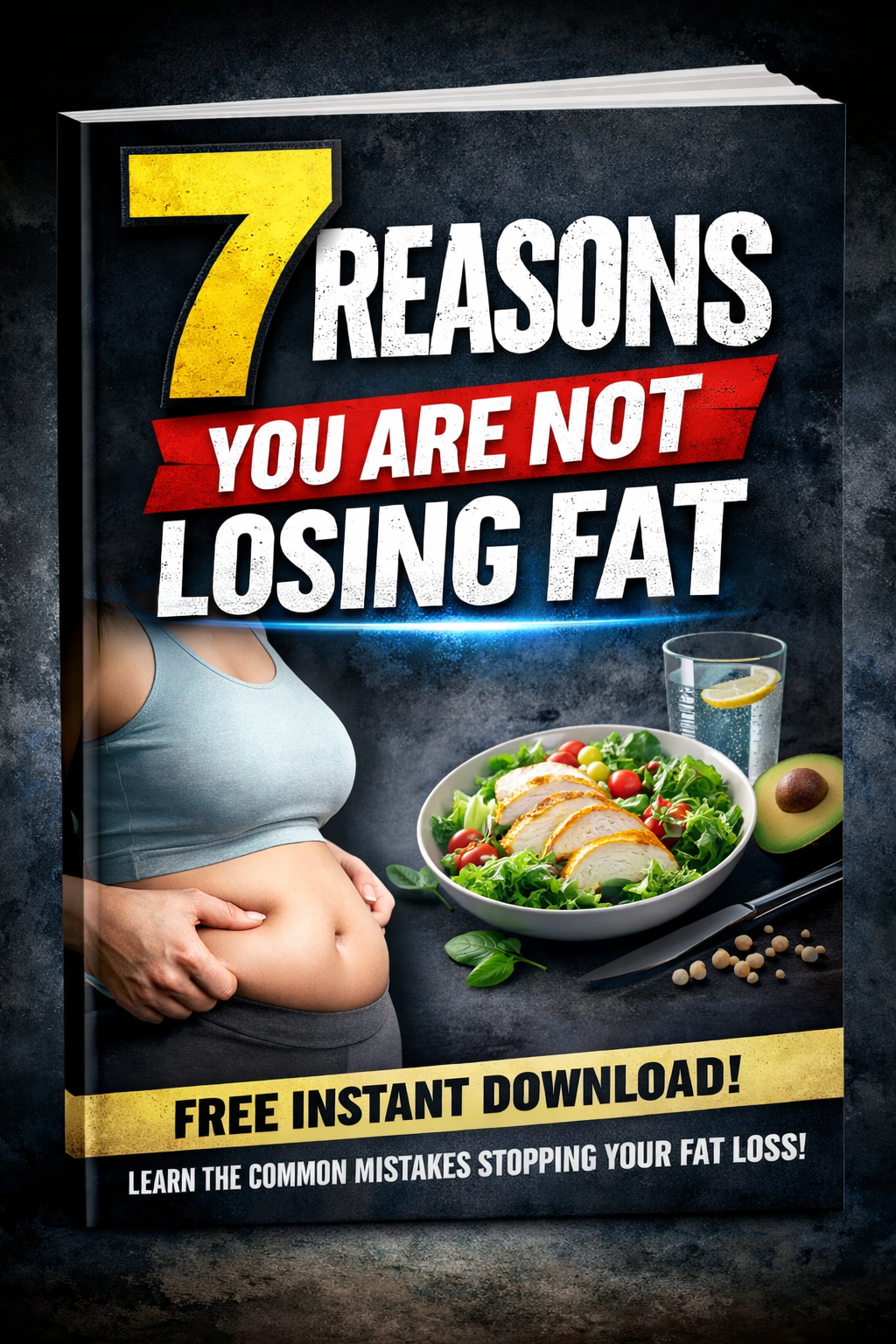
If you feel like fat loss has stalled or progress is slower than expected, I created a short guide explaining the most common reasons.
“7 Reasons You Are Not Losing Fat.”
Eric Benjamin, PA-C
Preventive & Metabolic Health
Eat well. Move often. Age boldly.