- Mar 25
Creatine: Is It Safe and Should You Take It? Benefits, Dosage, and What the Science Says
- Eric Benjamin
- Exercise Physiology, Sustainable Health Habits
- 0 comments
Creatine is one of the most researched supplements in nutrition, yet it remains widely misunderstood..
Some people think it is only for bodybuilders. Others worry about safety. And many are unsure whether it is worth taking at all.
The reality is simpler:
Creatine is one of the most effective and well-studied supplements for improving strength and high-intensity exercise performance.
Quick Answer: Should You Take Creatine?
Creatine is one of the most well-studied supplements for improving strength and high-intensity exercise performance.
Most people who perform resistance training can benefit from:
3–5 grams per day of creatine monohydrate
consistent daily use
no loading phase required
Creatine is considered safe for healthy individuals at recommended doses.
What Is Creatine?
Creatine is a naturally occurring compound found in:
muscle tissue
small amounts in foods like meat and fish
It plays a key role in how your body produces energy, especially during short bursts of activity like lifting weights or sprinting.
Your body makes creatine on its own, but supplementation can increase stored levels in muscle.

Creatine helps improve performance during resistance training.
What Does Creatine Do?
Creatine helps regenerate ATP, the primary energy source for muscle contraction.
In practical terms, this can lead to:
improved strength
better performance during resistance training
improved recovery between efforts
Over time, this supports increased muscle mass and improved physical function. Building and preserving muscle is one of the most important factors in long-term metabolic health (see my article on why protein matters for weight loss). Muscle plays a key role in metabolism and fat loss (see why weight loss plateaus happen).

The brain also uses creatine for energy during demanding tasks.
Beyond Muscle: Brain and Aging
Creatine is also used by the brain as part of its energy system.
Some research suggests it may help with:
mental fatigue, especially during sleep deprivation
tasks requiring high cognitive demand
Evidence in neurodegenerative disease and long-term cognitive outcomes is mixed, and this remains an area of ongoing research. Its potential role in brain health is an area of growing interest.
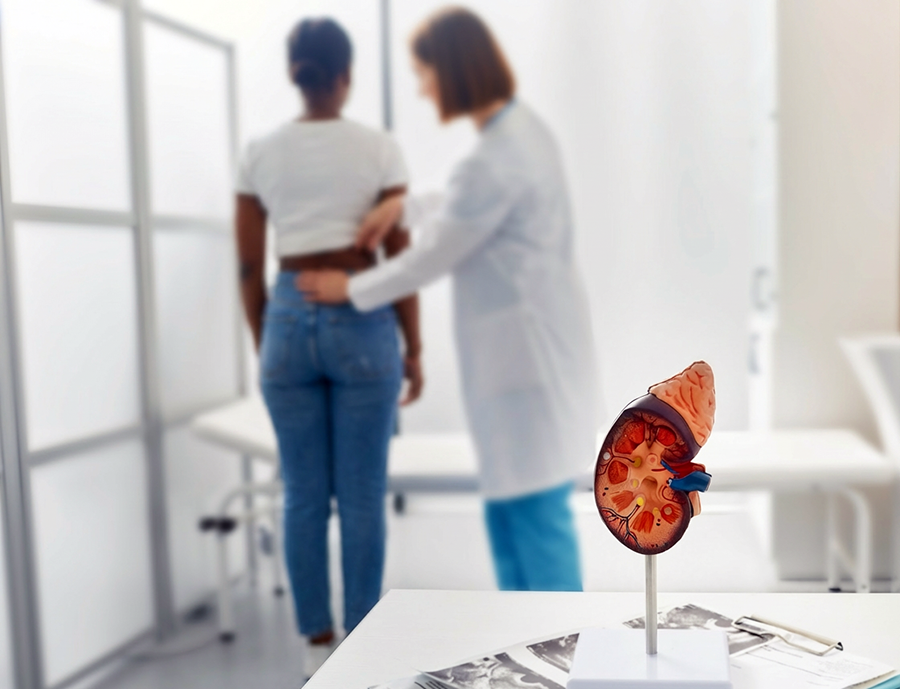
Creatine is well studied, but individual health factors should be considered.
Is Creatine Safe?
Creatine is one of the most extensively studied supplements available.
In healthy individuals, long-term use at standard doses (3–5 grams per day) has not been shown to cause kidney damage.
However, there are a few important nuances:
Creatine can increase serum creatinine levels on lab tests without indicating kidney injury
This can sometimes be misinterpreted if the context is not understood
People with chronic kidney disease (CKD) or those taking nephrotoxic medications should avoid use unless supervised
Other considerations:
gastrointestinal upset can occur at higher doses
limited safety data exists in pregnancy
As with any supplement or intervention, use should align with individual health status and goals.
Who Should Consider Creatine?
Creatine is most beneficial when combined with resistance training.
Individuals who consume little or no meat often have lower baseline creatine stores and may experience a greater relative benefit from supplementation.
It may be helpful for:
adults performing strength training
individuals trying to build or preserve muscle
older adults at risk of muscle loss
people aiming to maintain lean mass during weight loss
Preserving muscle mass during fat loss supports metabolic health and helps improve long-term weight maintenance.
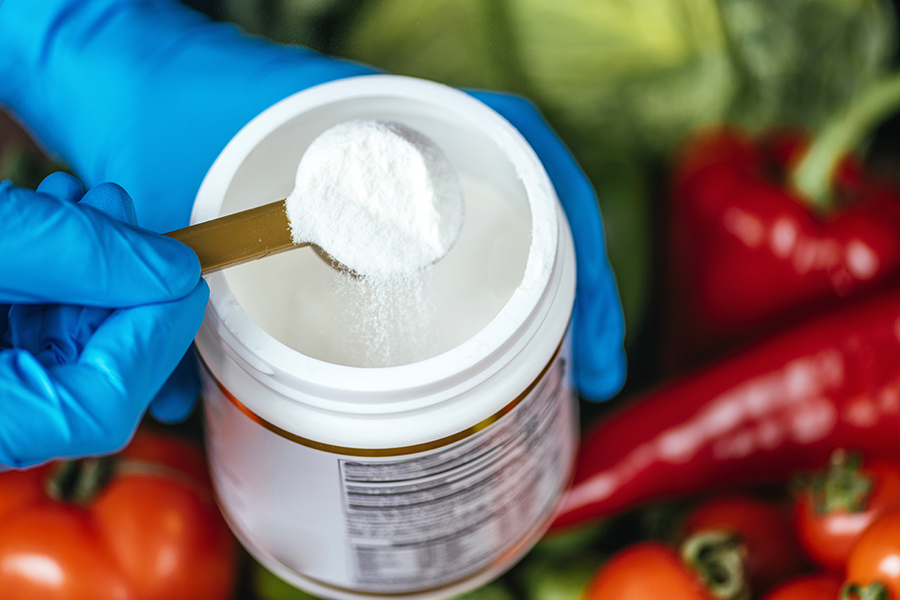
A simple daily dose of creatine monohydrate is effective for most people.
How to Take Creatine (Dosage, Timing, and Best Form)
For most people, a simple approach works well:
Form: creatine monohydrate (most studied and recommended)
Dose: 3–5 grams per day
Timing: does not significantly matter
With food: optional, may reduce stomach upset
Loading phase: not necessary
Cycling: not required
Consistency matters more than timing.
What About Weight Gain?
Creatine can cause a small increase in body weight early on.
This is due to increased water stored within muscle, not fat gain.
For many people, this is a normal and expected effect.
Common Myths
There are several common misconceptions about creatine:
It is not a steroid
It does not cause dehydration when fluid intake is adequate
Claims about hair loss are inconclusive and not well supported by current evidence
The Bottom Line
Creatine is one of the most well-researched supplements available.
It can support strength, muscle mass, and physical function, especially when combined with resistance training.
It is not necessary for everyone, but for many people, it is a safe and effective tool when used appropriately.
Frequently Asked Questions
Is creatine safe?
Creatine is considered safe for healthy individuals at recommended doses (3–5 g/day).
Do you need to cycle creatine?
No. Cycling is not necessary.
When should you take creatine?
Timing is not critical. Daily consistency matters most.
Does creatine cause weight gain?
It may cause a small increase in water weight, not fat gain.
Want to Go Deeper?
Building muscle and improving metabolism go hand in hand.
If you feel like you are doing everything right but not losing fat, I created a short guide explaining the most common reasons people struggle.
“7 Reasons You Are Not Losing Fat.”
Eric Benjamin, PA-C
Preventive & Metabolic Health
Eat well. Move often. Age boldly.